

Everyday Wellbeing
A calm look at the ordinary things that shape how a week feels
Everyday wellbeing is made up of small, ordinary things — how we rest, how we move through the day, and how we make room for ourselves. It is not a project, and it does not require an overhaul.
This section gathers writing on sleep and rest, everyday habits, and the quiet moments that help life feel more steady. Nothing here diagnoses anything, and nothing promises to remove stress. The aim is simply to notice what actually supports you, and to build a few small routines around it.
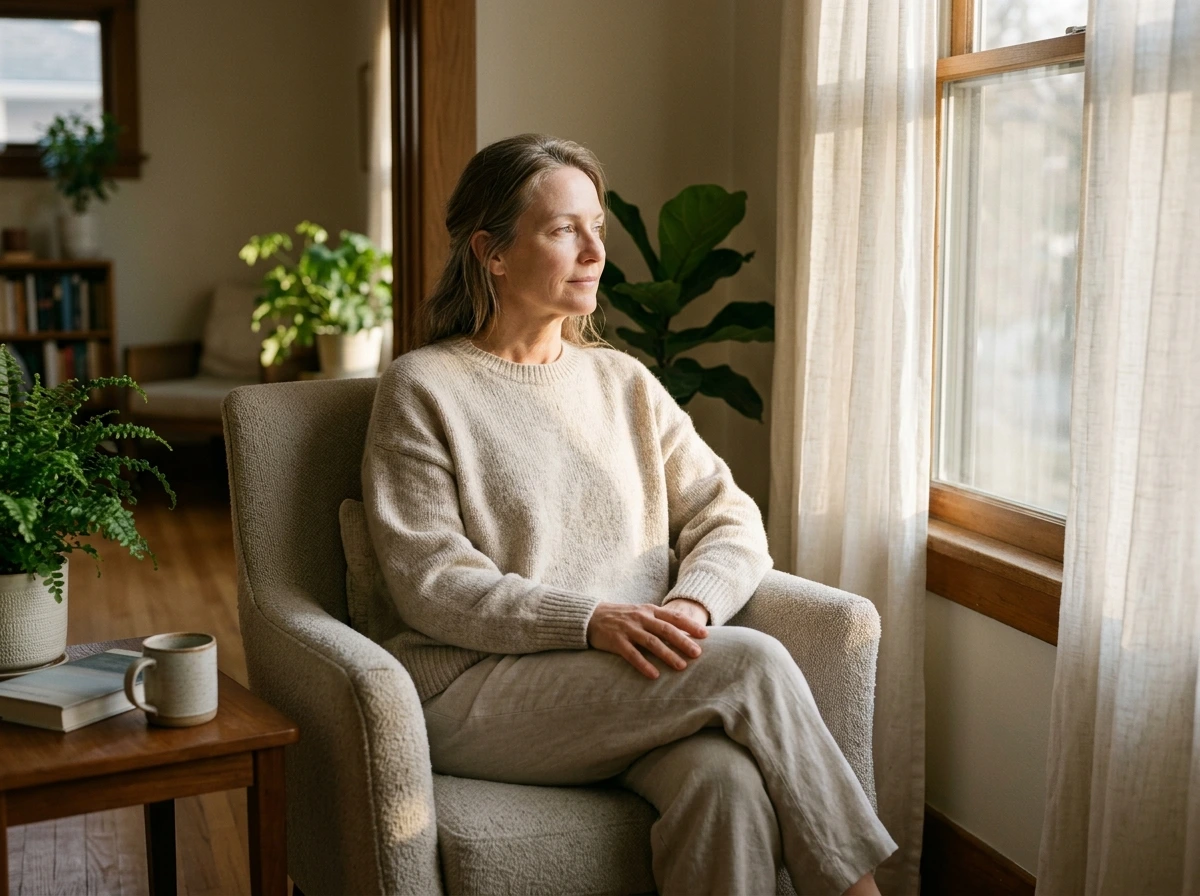
A Day in Small Moments
Four ordinary points in the day where a small pause can change how it feels.
A Quiet Start
Five minutes before the day begins — a warm drink, a stretch, a moment by the window.
A Short Break
Two minutes between tasks — standing, looking into the distance, refilling a glass of water.
A Pause Before the Next Thing
A few minutes between work and the evening — sitting, breathing, letting the day settle.
A Gentle Wind-Down
Dimming lights, putting the phone aside, giving yourself a quiet signal that the day is ending.
Sleep & Rest
Evening routines, wind-down habits, and the small signals that help the body shift toward rest.
What an evening routine is — and isn't
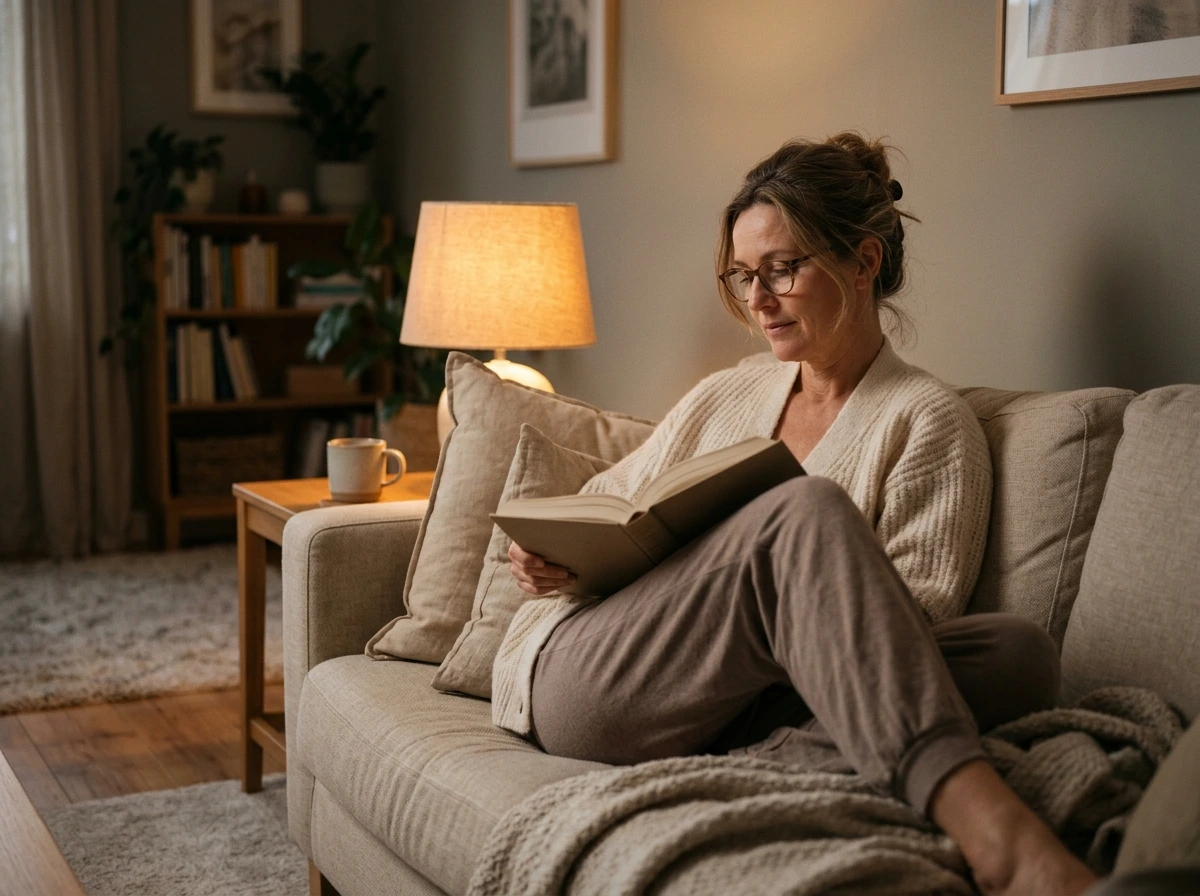
An evening routine is not a rigid schedule or a test of discipline. It is a small set of signals that help your body and mind shift out of the day and toward rest. Its purpose is not to optimise sleep or fix anything — it is to give your nervous system a predictable transition.
Two or three small elements, done most evenings, are usually enough. The value comes from repetition, not from perfection.
- Dimming overhead lights and using lamps instead.
- Putting screens away thirty to sixty minutes before bed.
- A warm shower, a few slow breaths, or a short stretch.
- Writing a few short lines about the day.
- Reading a few pages of something familiar and undemanding.
Everyday Habits
Small, repeatable routines — and a simple way to notice what actually helps.
Anchoring a Habit to Something You Already Do
A personal care habit is easier to keep when it is attached to something that already happens — brushing teeth, closing the kitchen, or turning off the television. The habit does not need its own slot in the day. It sits inside one that already exists.
Short Breaks That Fit a Real Day
A break does not have to be long to be useful. Two minutes of genuine pause — a stretch, a glass of water, a look out of the window — is often enough to shift attention briefly and reduce the sense of being locked into a task.
Keeping a Simple Wellbeing Journal
A wellbeing journal is a short, informal record of how your days are going. Two or three lines are enough. Its value comes from repetition: small notes, made most days, gradually show patterns that are hard to see in the moment.
Making Room for Rest in a Busy Week
Rest is often treated as a reward for finishing everything else. In practice, most weeks are never fully finished, so rest keeps getting postponed. Small, protected pauses — scheduled or snatched — make rest part of the week rather than a distant reward.
Time for Yourself
Short breaks, a quiet space to rest, and honest thoughts on making room for yourself in a full day.
A small space that signals rest
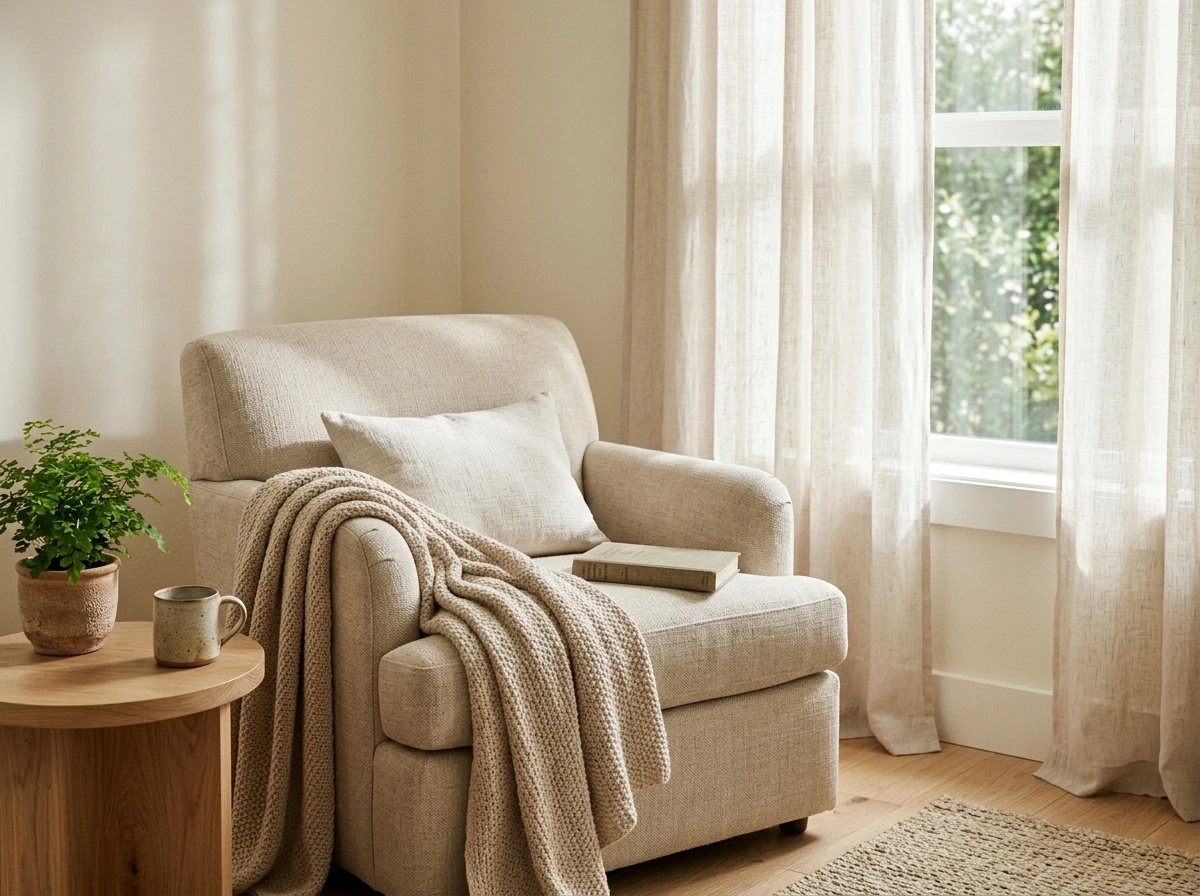
A space to unwind does not need to be a room. It can be a single chair by a window, a cushion on the floor next to a bookshelf, one end of a kitchen table cleared of everything else, or a spot on a balcony with a folding chair.
What makes it work is not the size, but that it is understood as yours — a place for rest rather than for tasks. Keep something pleasant within reach: a book, a warm blanket, a pair of soft socks. It reduces the number of steps between wanting to rest and actually resting.
It does not need to be perfect. It only needs to be used.
From the Journal
Selected articles from this section, with the most recent first.
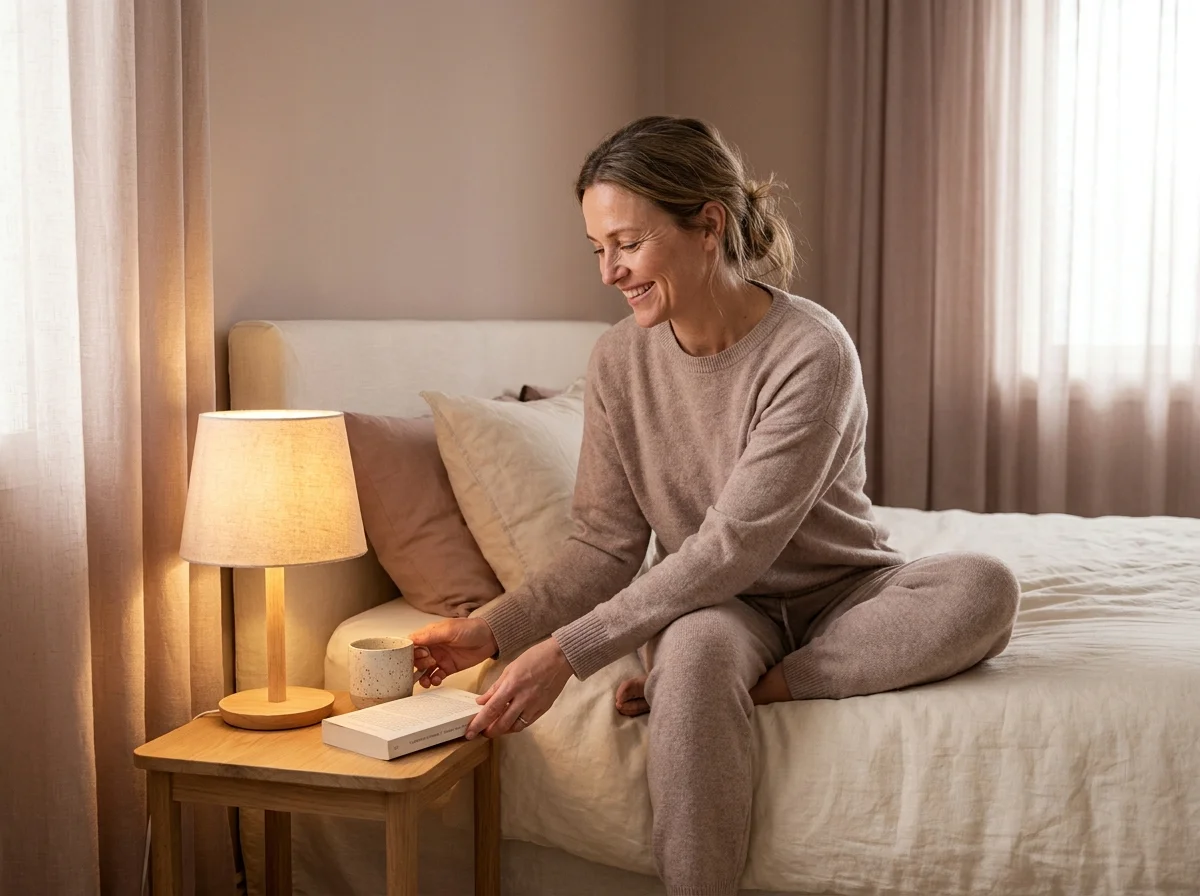
Building an Evening Routine That Fits Your Life

Making Room for Rest in a Busy Week

Small Breaks During a Desk-Based Day
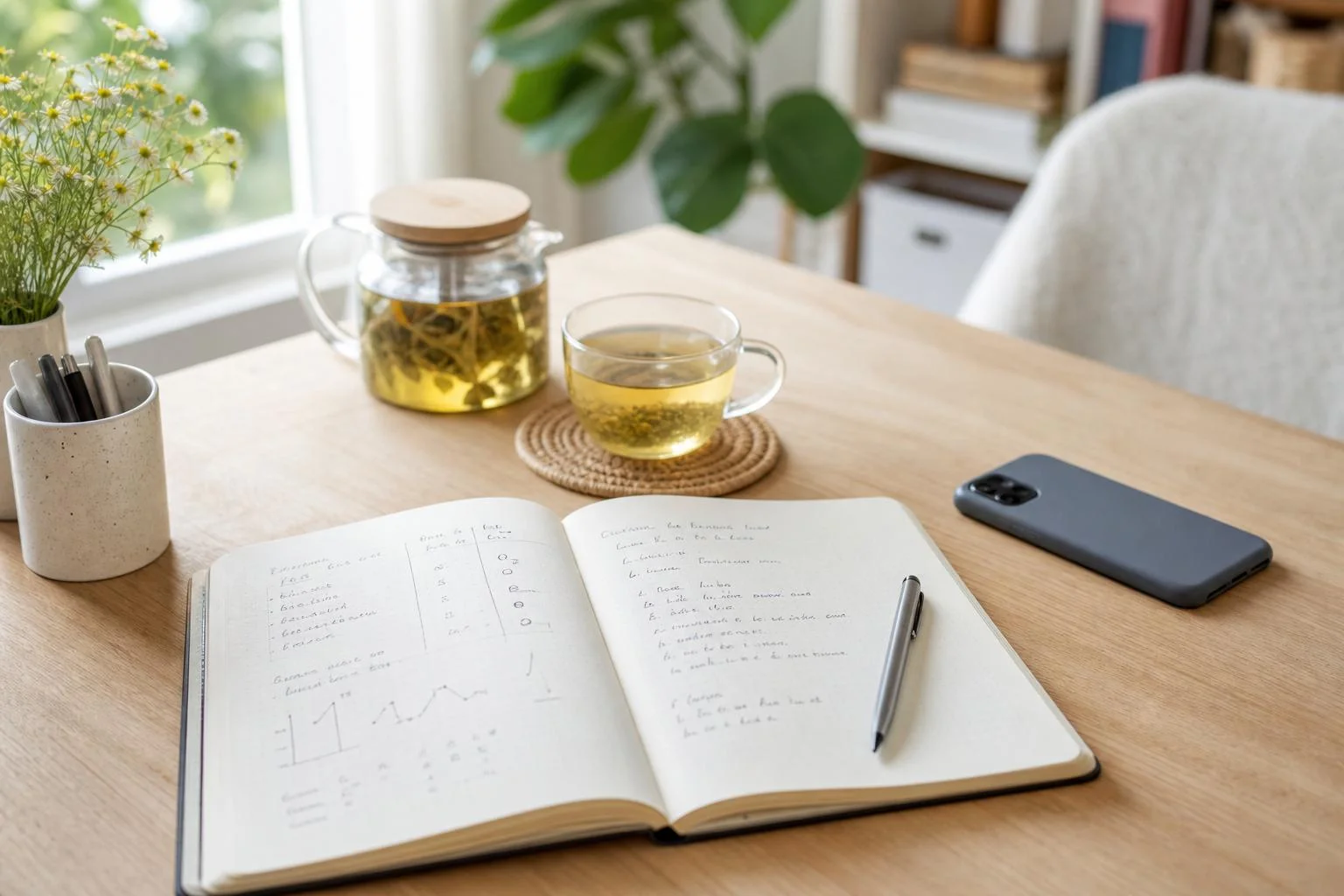
Keeping a Simple Wellbeing Journal
This section is educational and reflective in nature. It is not intended to diagnose or treat any mental health condition, and it does not promise to remove stress from your life. If you are struggling with your mental health, please reach out to a qualified professional.