Food is part of daily life, not a project to be perfected. This section offers practical, unhurried reading on building ordinary meals, simple hydration habits, and making sense of food labels.
There are no diets for medical conditions here, no detox programmes, and no promises about weight. The aim is simply to make everyday eating a little clearer and a little easier.
What You Will Find Here
Three areas of everyday eating, each with its own articles and gentle guidance.
Everyday Meals
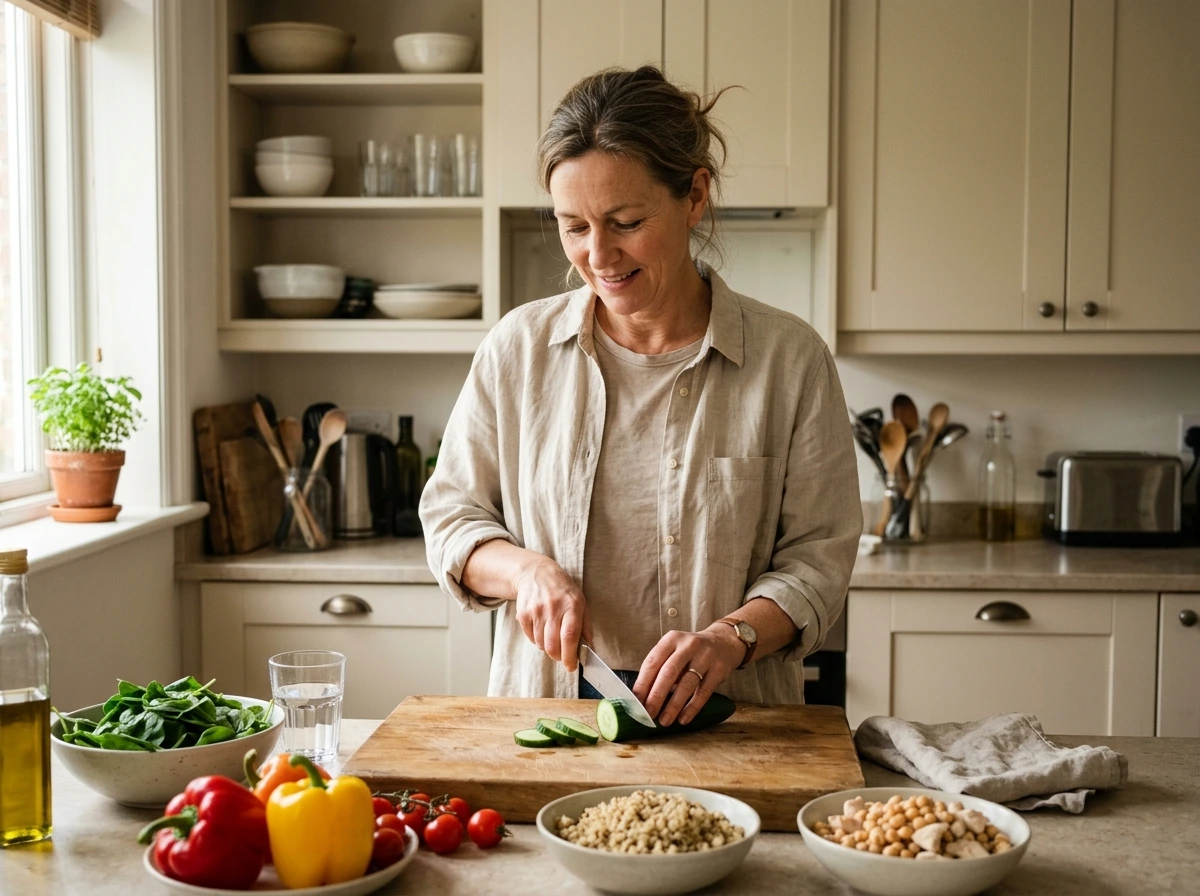
Simple ways to put together regular meals that satisfy, without complicated rules or calculations.
Hydration
Everyday drinking habits, gentle reminders, and why fluids matter more than we often notice.
Food Labels
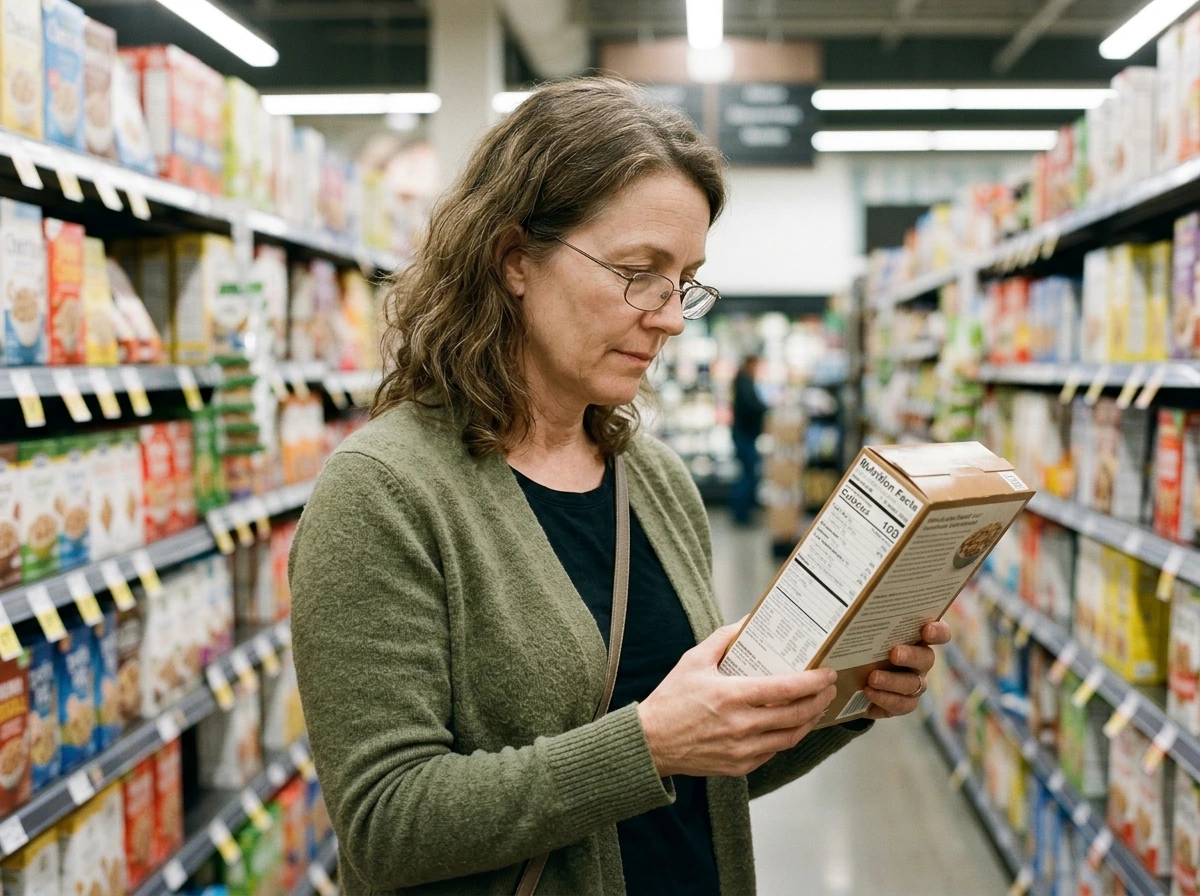
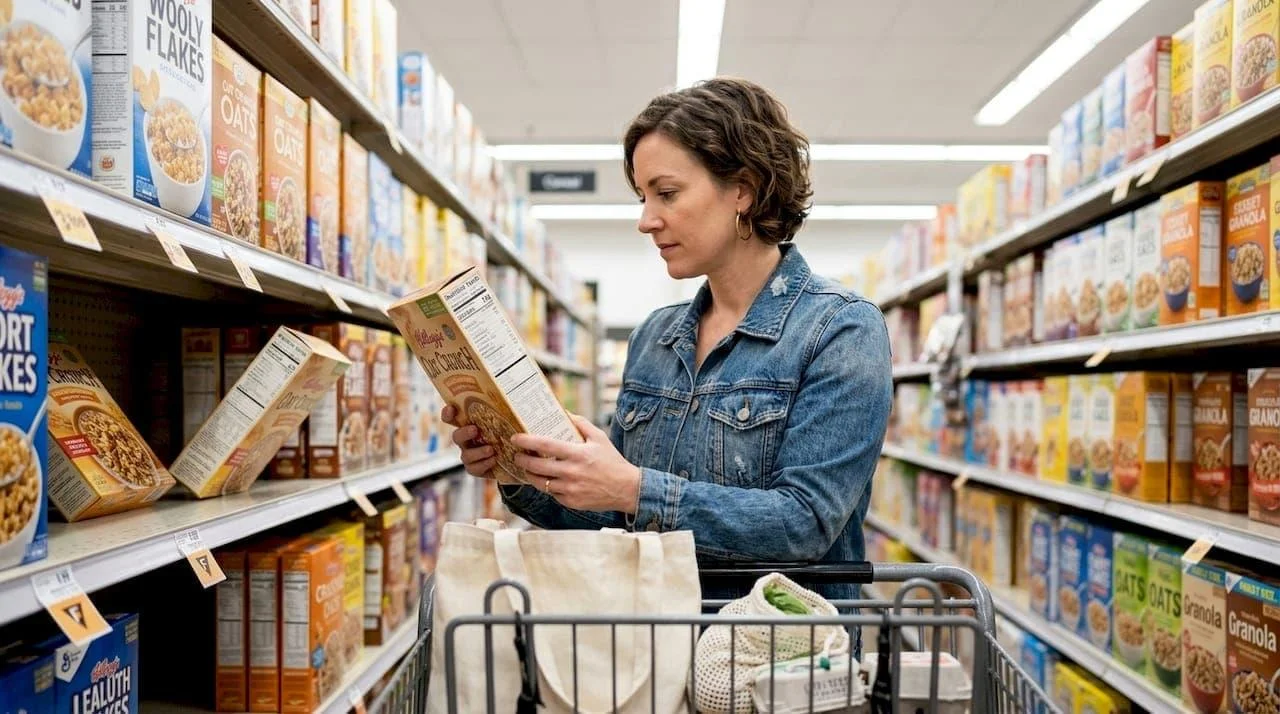
How to read packaging information calmly, and which parts are worth your attention.
Everyday Meals
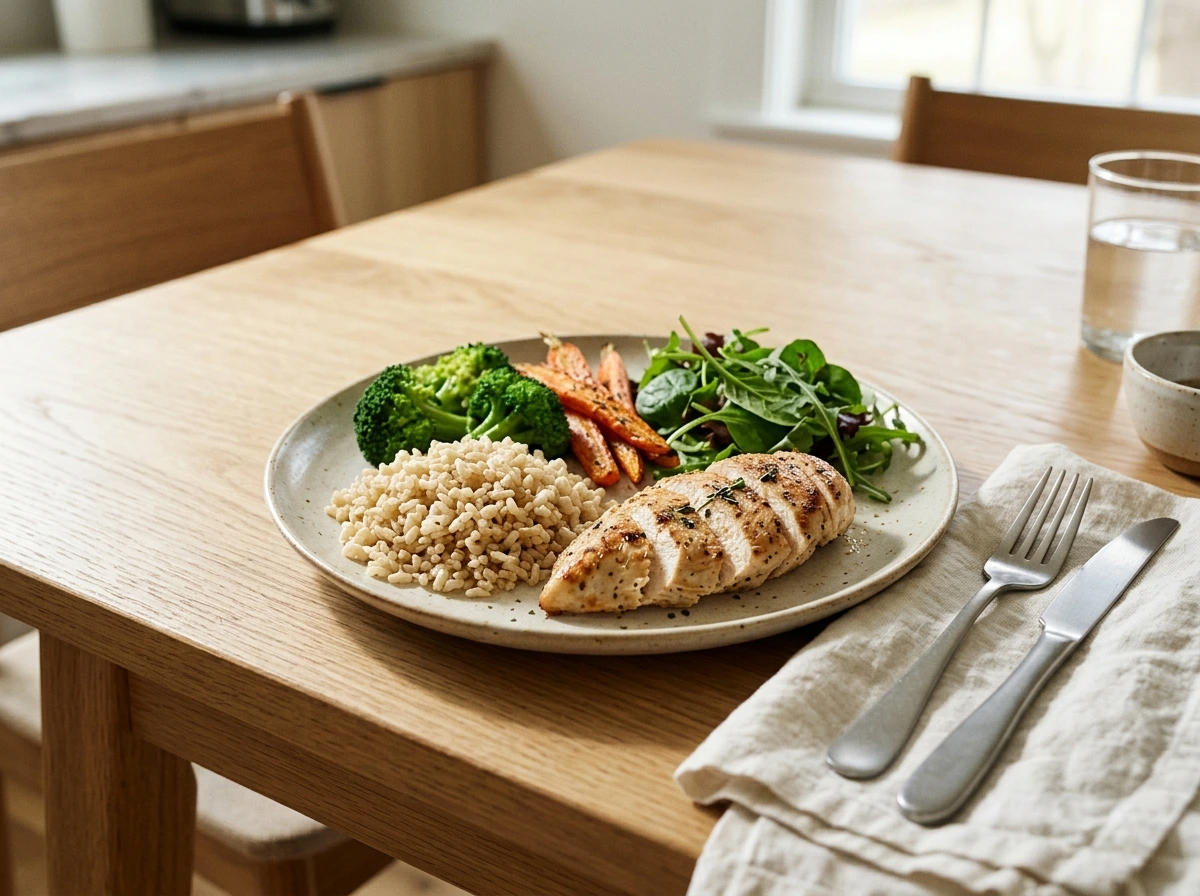
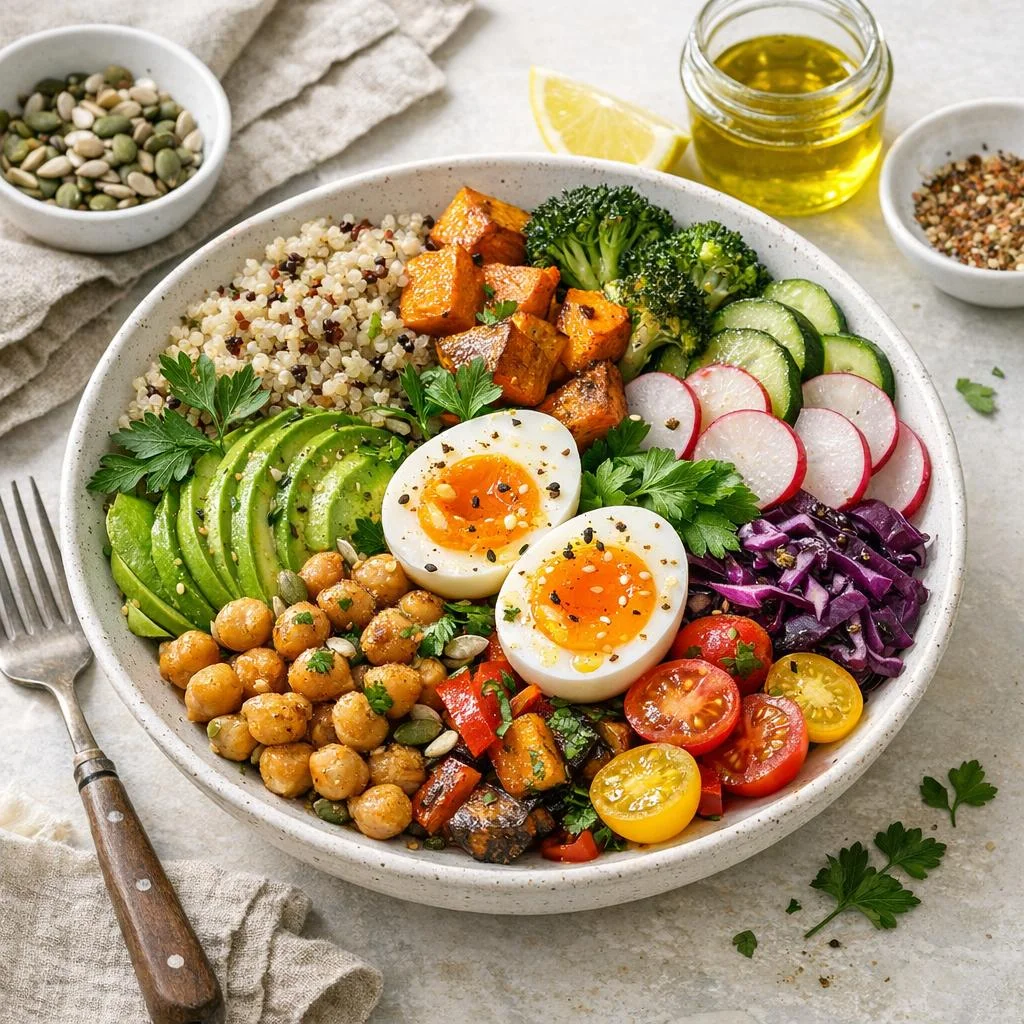
Building a plate from familiar components, without counting anything.
Component 01
Something Substantial
A source of protein or another filling element — eggs, beans, fish, poultry, tofu, or dairy — helps a meal feel more complete.
Component 02
Vegetables or Fruit
Fresh, frozen, or cooked — any form counts. A little colour on the plate often brings both nutrients and variety.
Component 03
A Starch or Grain
Bread, rice, pasta, potatoes, or another grain can provide steady energy and help a meal feel grounding.
Component 04
Something You Enjoy
A sauce, a seasoning, a small treat — pleasure is part of nourishment, not a separate category.
What "balanced" means in practice
A balanced meal is one that contains a few different kinds of food, in amounts that leave you feeling steady rather than hungry or overly full an hour later. There is no single correct formula, and no requirement to count anything.
Thinking in components is easier than thinking in numbers. A few everyday examples:
Oats with milk or yoghurt, fruit, and a spoon of nuts.
Wholegrain toast with eggs and a side of tomatoes.
Rice bowl with beans, roasted vegetables, and a sauce.
Pasta with a simple tomato sauce and a handful of grated cheese.
Soup with bread and a piece of cheese or an egg.
None of these are "perfect". They are ordinary meals that contain more than one kind of food.
Balance is easier to see across a day or a week than within every single plate.
Not every meal needs to be balanced in the same way. Looking at the day or the week as a whole is often more realistic than trying to get every individual meal right.
Keeping it flexible
Appetite, energy, and circumstances vary. Some days call for a simple meal; other days call for something more involved. A few ways to keep balance flexible:
Use what is available — frozen vegetables, tinned beans, and eggs are often enough.
Adjust portion sizes to your appetite. There is no fixed amount that suits everyone.
Let preferences matter. A meal you enjoy is more likely to be repeated.
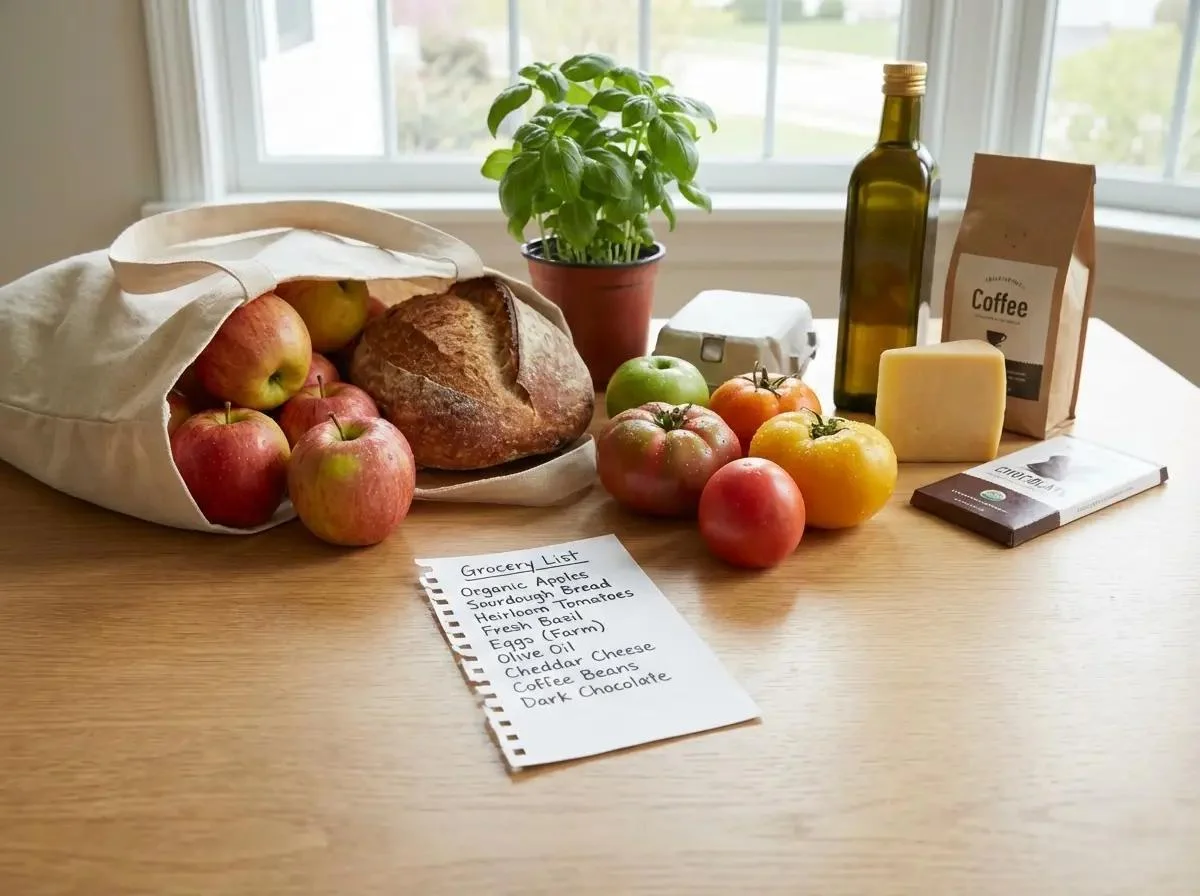
Keep a few easy options at home: oats, bread, eggs, yoghurt, and frozen vegetables.
Hydration
Simple drinking habits that fit into the shape of an ordinary day.
Why fluid intake matters
Water supports many basic body functions — temperature regulation, digestion, circulation, and the healthy functioning of organs and joints. The Office on Women's Health notes that fluid needs vary depending on activity, climate, health, and other factors.
There is no single amount that suits everyone. A common general guide is often mentioned, but it is a reference point rather than a requirement. What matters more is consistency across the day, rather than large amounts at once.
Everyday habits that help
Keep water within sight. On the desk, in the kitchen, next to the chair where you sit.
Drink with meals. A glass with breakfast, lunch, and dinner covers a good part of the day without any effort.
Pair drinks with routines. A glass after taking medication, after a walk, or when you get home.
Refill a bottle, not a cup. A visible bottle is a quiet reminder through the day.
Notice the afternoons. Many people drink less in the second half of the day without realising it.
Fluid needs vary. Everyday drinks beyond plain water also count.
If the day is nearly over and you cannot remember drinking anything, that is information. A glass of water before the evening routine is a small, easy fix.
Sources of fluid beyond water
Water is not the only source of fluid. Tea, coffee, soups, milk, and water-rich foods such as fruit and vegetables all contribute. Some people drink less than they could because they assume only plain water "counts".
Caffeinated drinks in moderate amounts still contribute to fluid intake. Very high caffeine intake, on the other hand, is not helpful for other reasons, so it is worth keeping an eye on the overall pattern rather than any single cup.
Food Labels
Reading packaging calmly, and which parts are worth your attention.
Serving Size
The reference amount used for the numbers on the label. It is not a recommendation — it is simply a starting point for comparison.
Ingredients List
Ingredients are listed by weight, from most to least. A short list is not automatically better, and a long one is not automatically worse.
Added Sugars
Sugars added during production, separate from those naturally present in fruit or dairy. Useful context, not a verdict on the product.
Fibre
Listed on many labels and worth noticing. Fibre supports digestion and often comes with foods that feel satisfying.
Reading without overthinking
It is not necessary to count grams. A useful approach is to notice whether fibre-rich foods appear across the day, and to look at labels mainly to compare similar products.
Compare like with like. Two similar breads, two similar cereals, two similar crackers.
Read the ingredients list. If a whole grain or a bean appears near the top, the product is more likely to contribute fibre.
Remember the limits of labels. They are a partial picture. Foods eaten fresh and unprocessed rarely carry a label at all.
Where fibre fits in
Fibre is found in vegetables, fruit, whole grains, beans, and lentils. It supports digestion and can help meals feel more filling. Most adults benefit from including fibre-rich foods regularly — but increasing it too quickly can feel uncomfortable, so a gradual approach is usually kinder.
There is no single target that suits everyone, and no need to count every gram. Including fibre-rich foods across the week is a reasonable, everyday habit.
A word on fibre and labels
Fiber appears on many food labels as "dietary fiber". It is not necessary to count grams — including fibre-rich foods across the day is enough, and labels are most useful for comparing similar products.
Increasing fibre gradually, alongside enough fluid, is usually kinder than a sudden change.
From the Journal
Selected articles from this section, with the most recent first.
This section is educational and does not provide personal medical advice, diagnosis, or treatment. It does not offer diets for medical conditions, detox programmes, or weight-loss promises. If you have specific dietary needs or health concerns, please consult a qualified healthcare provider or registered dietitian.