

Where the Pelvic Floor Muscles Are
The pelvic floor is a group of muscles at the base of the pelvis. They stretch like a hammock from the pubic bone at the front to the tailbone at the back. They surround the openings of the urethra, vagina, and anus.
Because they sit deep inside the body, they are harder to see than an arm or a leg. This is one of the reasons pelvic floor exercises are easier to get wrong than they might seem.
Ways to Notice Them
There is no single method that works for everyone, but a few approaches are commonly suggested:
- Imagine stopping wind and urine at the same time. The muscles that would do this are the pelvic floor muscles. This is used to identify the muscles, not as an exercise routine.
- Notice the movement during a breath. On a gentle exhale, the pelvic floor lifts slightly. On the inhale, it relaxes.
- Notice the muscles during a cough. Many people feel a small automatic lift just before a cough.
- Notice them while lying down. Lying on your back with knees bent often makes the sensation easier to detect.
These are ways to notice the muscles — not a training programme. Being able to feel them is a first step, not the whole exercise.
What to Avoid
Some common mistakes make it harder to find the right muscles:
- Squeezing the stomach, thighs, or buttocks. These larger muscles often take over if the pelvic floor is not clearly identified first.
- Holding your breath. Breathing should stay relaxed.
- Stopping urine mid-flow as a daily exercise. This is one way to identify the muscles, but doing it regularly during urination is not advised, as it may increase the risk of bladder infection.
- Pushing down instead of lifting. A pelvic floor contraction is an inward lift, not a downward push.
A useful check: if the stomach, thighs, or buttocks are working, the pelvic floor is probably not the muscle being felt. Try a smaller, gentler squeeze.
When to Seek Help
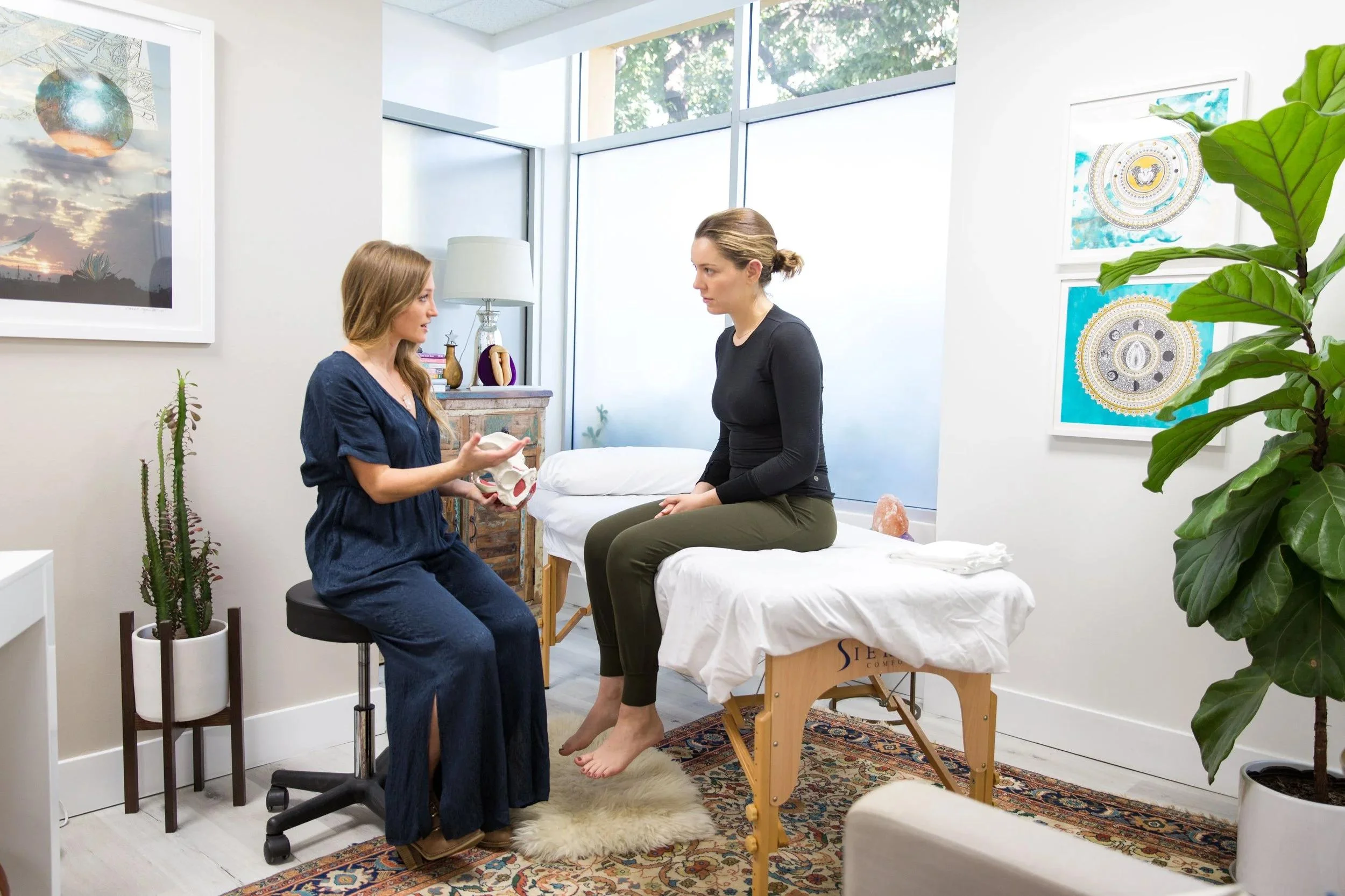
Some people find the muscles easily. Others do not, even after several attempts. This is common, and it is not a failure. A pelvic floor physiotherapist can help identify the muscles through examination and can confirm whether the correct ones are being used.
It is also worth seeking guidance if you notice pain, discomfort, or a sense that something is not right during or after trying to find the muscles.
A Short Summary
Finding the pelvic floor muscles takes patience. Noticing them during a breath, a cough, or the imagined stopping of urine are common starting points, but none is a training programme on its own. Avoiding tension in the stomach, thighs, and buttocks helps, and if the muscles remain hard to identify, a pelvic floor physiotherapist can help.
Further Reading
- What Are Kegel Exercises? — an overview of the exercises.
- Pelvic Floor Training: Contraction and Relaxation — the rhythm of the practice.
- Common Kegel Technique Mistakes to Understand — pitfalls to avoid.
- Kegel Exercises: Understanding the Basics — the main guide page.
Sources
- National Institute of Diabetes and Digestive and Kidney Diseases (NIDDK) — guidance on pelvic floor muscle identification.
- National Health Service (NHS) — pelvic floor muscle exercises overview.
- American College of Obstetricians and Gynecologists (ACOG) — patient education on pelvic floor muscle exercises.